A quiet shift is underway in India’s energy landscape, and it has nothing to do with mega solar parks, giant wind turbines or ambitious hydrogen roadmaps. It is unfolding under streets, inside kitchens and across small towns that rarely make national headlines. India’s city gas distribution program — a sector often overshadowed by flashier renewable projects — is slowly changing how households cook, heat water, and power small businesses.
The latest report, India’s Unstoppable Energy Momentum (2025), maps this transformation in detail. While India’s renewable story often takes centre stage, the report underlines an equally important movement: a rapid expansion of pipelines, compressed natural gas (CNG) stations and piped natural gas (PNG) household connections, often described as one of the country’s most ambitious energy-access programmes.
This is India’s quiet gas revolution — steady, practical, and rooted in daily life.
A Growing Network Under Our Feet
When India first started pushing natural gas as a cleaner alternative to coal and traditional fuels, the infrastructure barely existed. Today, the report notes a dramatic turnaround. The pipeline network has expanded to more than 34,000 km, reaching states and towns that never imagined gas access at their doorstep.
The report highlights that India now has 11,000+ CNG stations, a number that is doubling faster than expected. In 2014, CNG pumps were mostly limited to large metros. Today, they are spread across highways, Tier-2 cities and industrial belts.
PNG connections — critical for households — have seen a particularly sharp rise. According to the report, India crossed 1.2 crore household PNG connections, marking one of the fastest expansions of home energy access in the country.
For millions of families, this shift is subtle but powerful. No more waiting for cylinders. No more surprise price spikes. No more safety fears associated with storing LPG tanks inside a one-room home.
As a senior official quoted in the report puts it, “City gas is not an urban luxury anymore. It is becoming the backbone of everyday energy security.”
Why Gas Still Matters in a Renewable World
India’s energy conversation is dominated by solar, wind and hydrogen — and rightly so. But the report makes a pragmatic point: natural gas is still essential for a smoother transition.
Renewables cannot yet handle round-the-clock demand in households and industries. Gas fills the reliability gap. It burns cleaner than coal and biomass. It reduces particulate pollution. It fits into existing household behaviour without requiring new appliances or major lifestyle changes.
The report notes that the government aims to raise the share of gas in India’s energy mix from 6% to 15%, calling it a “bridge fuel” that supports economic growth while renewables scale up.
This is not about choosing gas over solar. It’s about combining the two so India can grow without choking its cities or stressing its grids.
The Household Impact: A Different Kind of Energy Transition
Energy transitions often sound grand and distant. But in kitchens, the shift from LPG cylinders to PNG is deeply personal.
In many households, cylinders are still delivered through narrow lanes by workers who carry heavy tanks on their shoulders. In rented homes, people worry about deposits. In busy families, running out of gas mid-meal is a regular inconvenience.
PNG changes that. It runs like water or electricity — steady, predictable, always available.
The report says the number of PNG households is rising at nearly 20% per year, with demand surging fastest in smaller towns where LPG delivery remains erratic. This is where PNG is quietly rewriting the energy experience.
As one of the report’s case study notes, “PNG is not just cheaper or cleaner — it takes the anxiety out of an essential part of daily life.”
A Boost for Small Businesses
Street food vendors, tiffin services, small restaurants and home-based food businesses depend heavily on gas. For them, safety, reliability and cost matter even more.
The report shows that commercial PNG connections have doubled in the past five years, giving businesses a predictable energy bill and reducing fire hazards.
A small hotel owner quoted in the report says, “PNG saved me money, but more importantly, it saved me worry.”
Such stories rarely appear in energy debates, but they are central to understanding the social impact of the gas rollout.
Industry and Transport: The Other Big Winners
While households get most of the attention, the report points out that industries and transport sectors are becoming major drivers of gas demand.
CNG has moved beyond cities and into highways, changing interstate travel for taxis, buses and trucks. The report highlights a major milestone: India now has one of the world’s fastest-growing CNG station networks.
Industries, especially in ceramics, glass, food processing and textiles, are shifting to gas because it is more consistent than furnace oil and reduces emissions. The report notes that several states reported double-digit industrial gas demand growth in 2024–25.
This aligns with India’s larger climate commitment: reducing emissions intensity while keeping industrial growth strong.
The Big Push: Government Policy at Work
The report emphasises how policy and regulatory support have been central to the sector’s growth.
Three moves stand out:
- Expanding geographical coverage:
India has auctioned city gas distribution rights across 98% of its population, meaning nearly the whole country is now mapped for PNG and CNG networks.
- Incentives for infrastructure rollout:
Faster approvals, easier right-of-way norms and financial incentives have supported large-scale pipeline construction.
- Cleaner transport mandates:
Several states are nudging fleets toward CNG and LNG, accelerating demand.
The report calls this “one of the most coordinated infrastructure expansions in India’s recent energy history.”
But the Challenges Are Real
Like any major shift, the gas revolution is not without hurdles.
Land acquisition remains a persistent challenge. Pipelines need long uninterrupted stretches, and local disputes can delay projects.
Infrastructure costs are high. Laying pipelines in congested cities is expensive and slow.
Consumer awareness varies widely. Many potential users don’t understand how PNG works or assume it is costlier than LPG.
The report notes that in some regions, “the infrastructure is ready, but consumer connections still lag.” That gap is often a result of lack of information rather than lack of intent.
The Climate Question
One of the biggest debates in the gas sector is climate alignment. Critics argue that investing in gas locks India into a fossil future. The report takes a balanced view, recognising the risks but also the near-term needs.
It argues that gas helps reduce air pollution immediately, especially in regions dependent on biomass or coal for heating and cooking.
At the same time, it calls for gas infrastructure to be “hydrogen-ready” — meaning pipelines, appliances and industrial systems should be compatible with future low-carbon fuels.
This ensures investments made today won’t become useless tomorrow.
A Rural Opportunity Waiting to Unfold
PNG has so far grown rapidly in urban and semi-urban pockets. But the report suggests rural potential is enormous.
Cleaner cooking fuel reduces indoor air pollution, a silent killer linked to millions of respiratory illnesses. PNG could play a role here, but expansion will depend on lowering infrastructure costs and integrating local networks with broader pipelines.
As the report notes: “Rural energy access cannot rely only on subsidies. It needs reliable systems.”
Gas may be part of that system, alongside biogas, solar and improved cooking stoves.
Where the Revolution Goes From Here
The report paints an ambitious picture of the coming decade:
- 50,000 km of pipelines by 2030
- More than 20,000 CNG stations
- 2 crore+ PNG homes
- Large-scale industrial shift to gas
- Hydrogen blending pilots within city gas networks
These numbers suggest that gas is not simply a transitional fuel — it is becoming an integral part of how India’s energy system will function while renewables scale up.
A Transformation Built on Quiet Progress
Unlike solar farms that make for dramatic drone shots or wind turbines that tower over landscapes, the gas revolution is almost invisible.
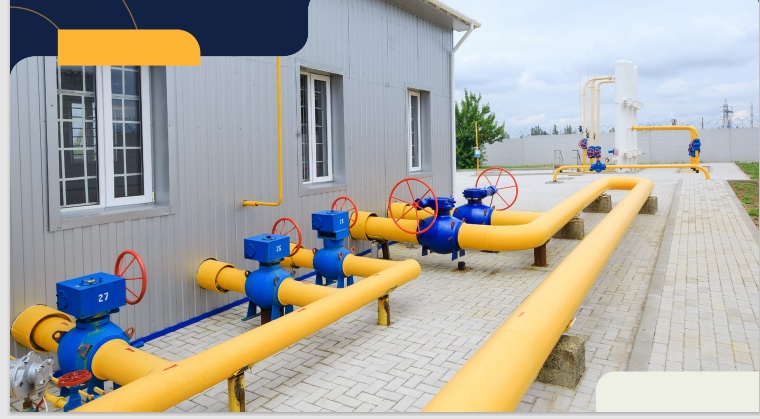
Pipelines go underground. Meters sit quietly in corners of kitchens. CNG pumps look like any other fuel station.
But its impact is deep and far-reaching.
Cleaner air. Safer kitchens. More reliable energy for small businesses. Lower emissions from industries. Growing mobility through CNG. A smoother path for renewables to expand without overloading the grid.
This is what the report captures — a shift built not on noise but on steady, functional progress.
India’s quiet gas revolution is already changing daily life. And if the momentum described in the report continues, this could become one of the country’s most practical and transformative energy stories of the decade.


 environment
PM Narendra Modi
PNG Pipeline
sustainability
environment
PM Narendra Modi
PNG Pipeline
sustainability